Architecture


Architecture
The architecture of Ngee Ann Polytechnic tells a compelling story, one that bridges heritage, transformation, and visionary design. From its humble beginnings at Tank Road to its dynamic present-day campus, NP’s built environment reflects its evolving identity as a forward-thinking institution rooted in tradition.
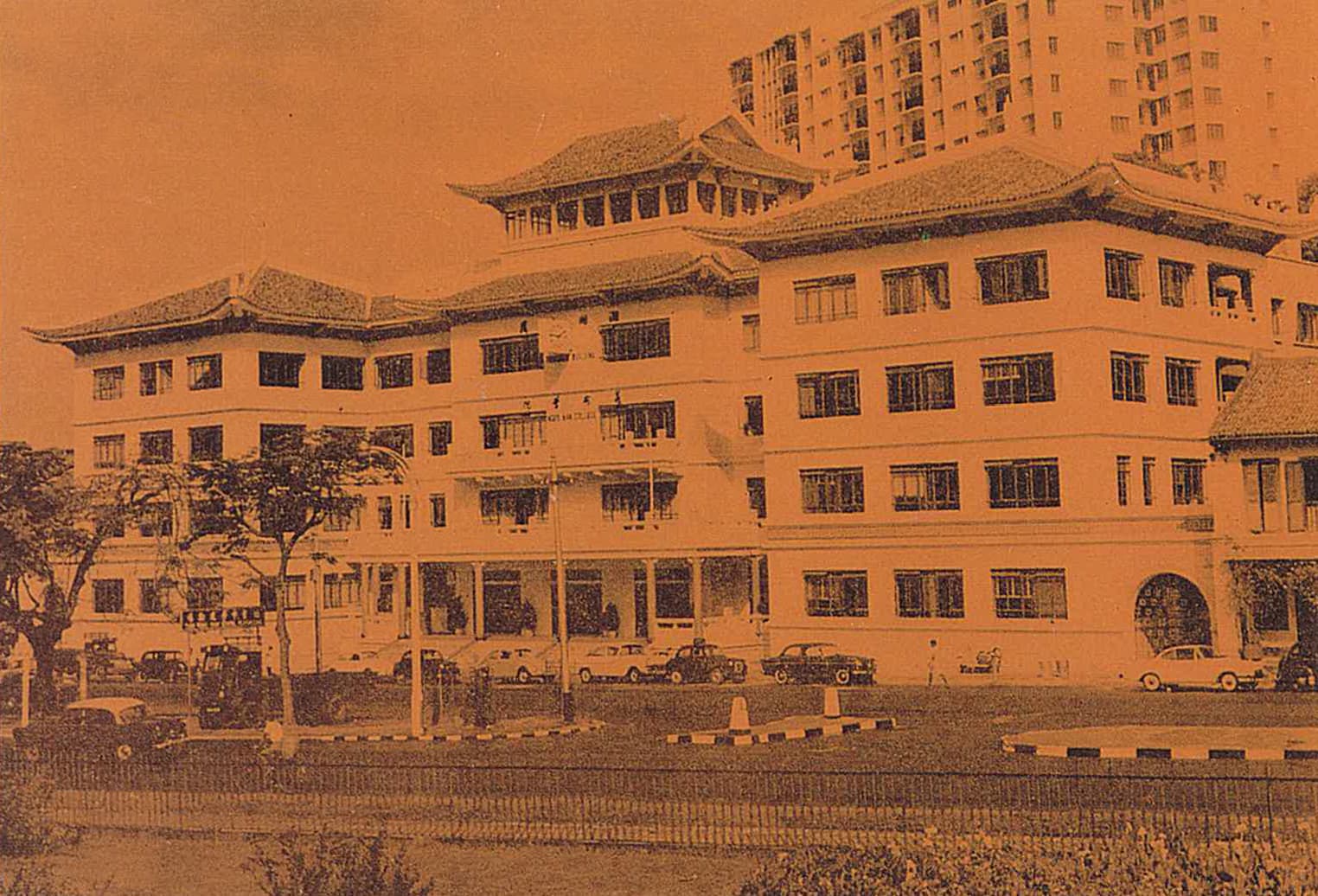
1963: Tank Road – A Cultural Beacon
Ngee Ann College was born at Tank Road, with a utilitarian building that served the Chinese-speaking community during colonial times. More than just bricks and mortar, the structure symbolized cultural pride and educational purpose. Sculptures and design motifs subtly honored NP’s Teochew heritage, blending tradition with progress. The campus housed 45 classrooms and a large hall—modest, yet meaningful.
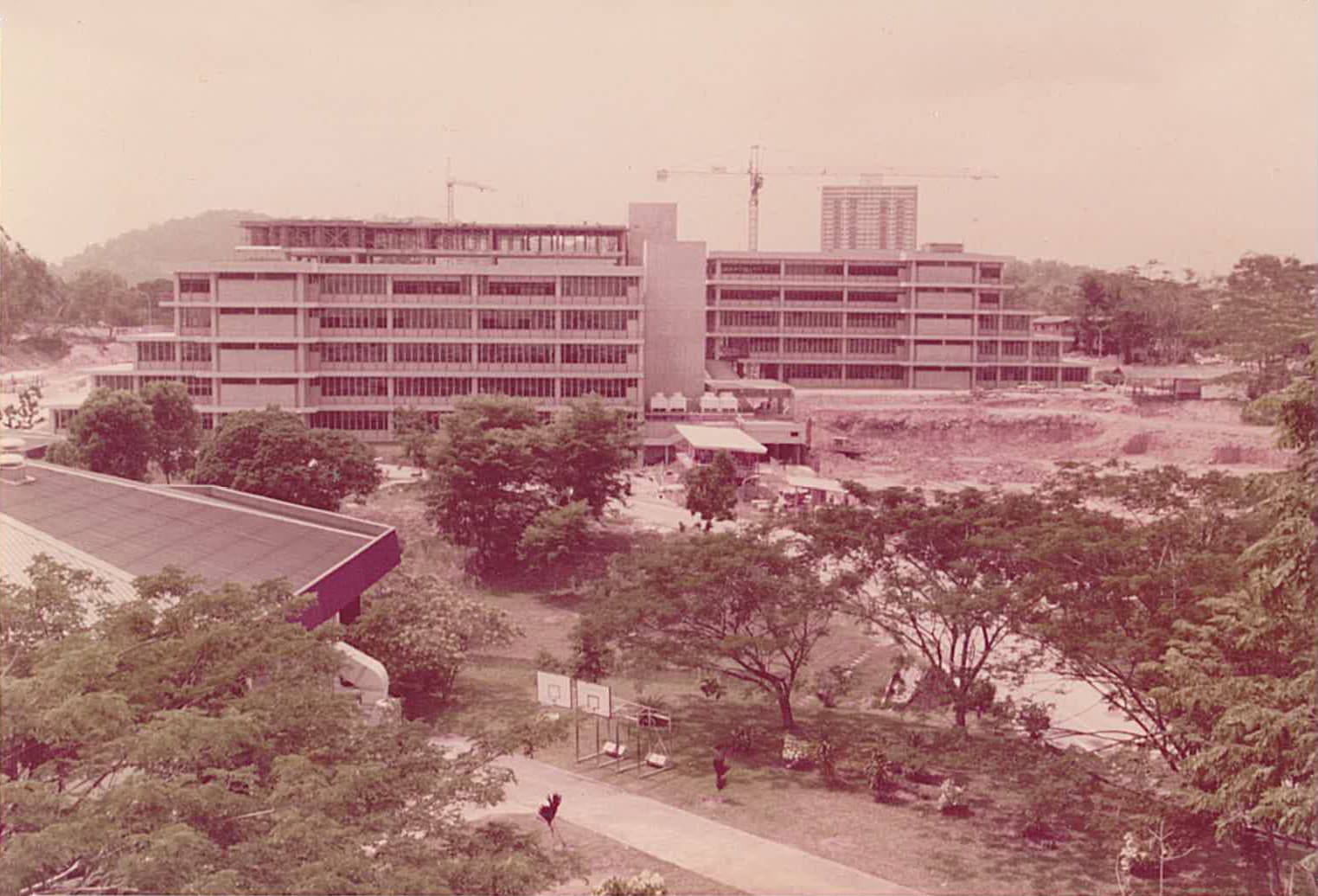
1970s: Clementi Campus – A New Chapter
The college relocated to Clementi Road, embracing modern architecture and a broader educational mission. English replaced Chinese as the medium of instruction, and the campus design reflected a more global, inclusive ethos marking NP’s transition into a cosmopolitan learning environment.
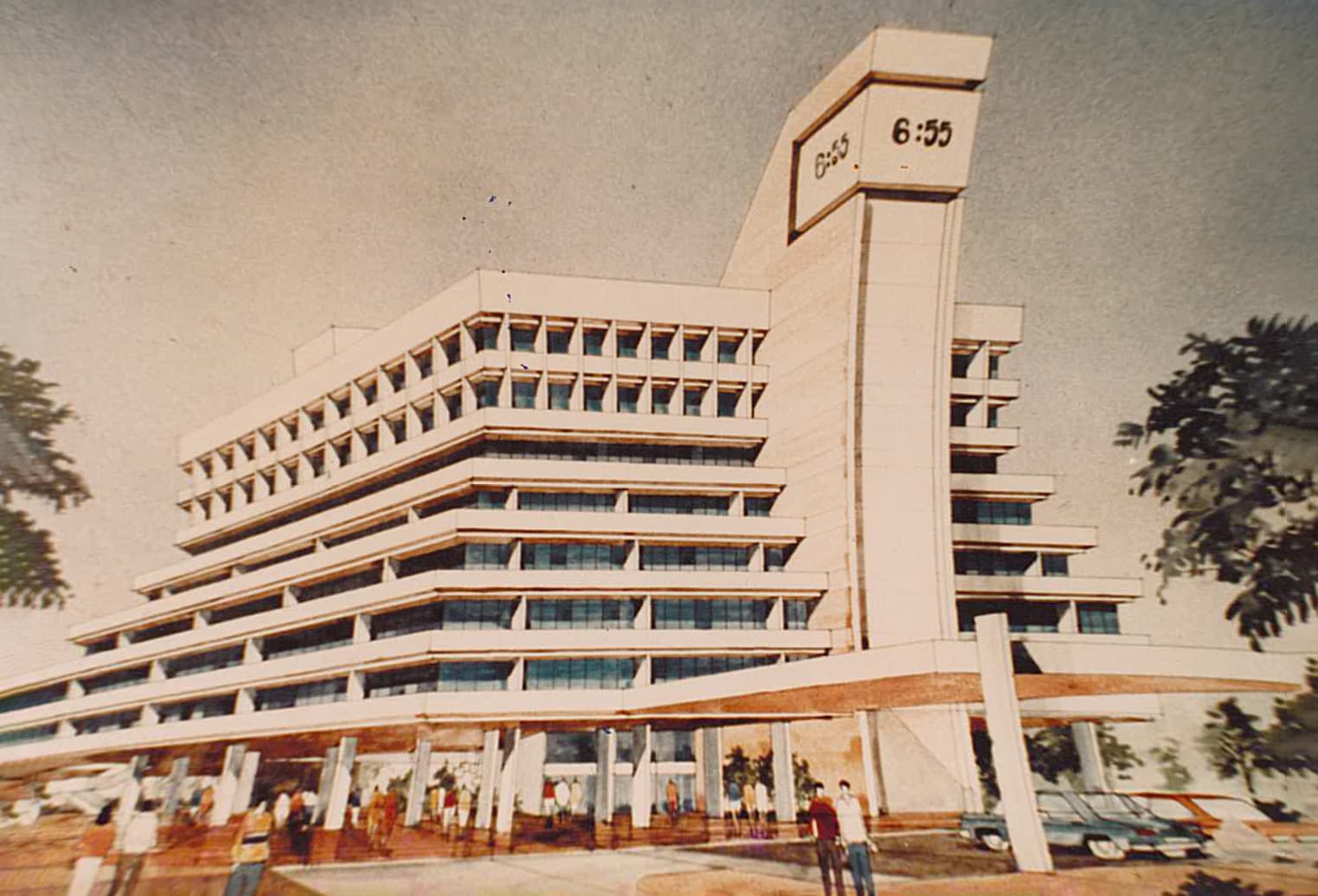
1980s: Polytechnic Transformation
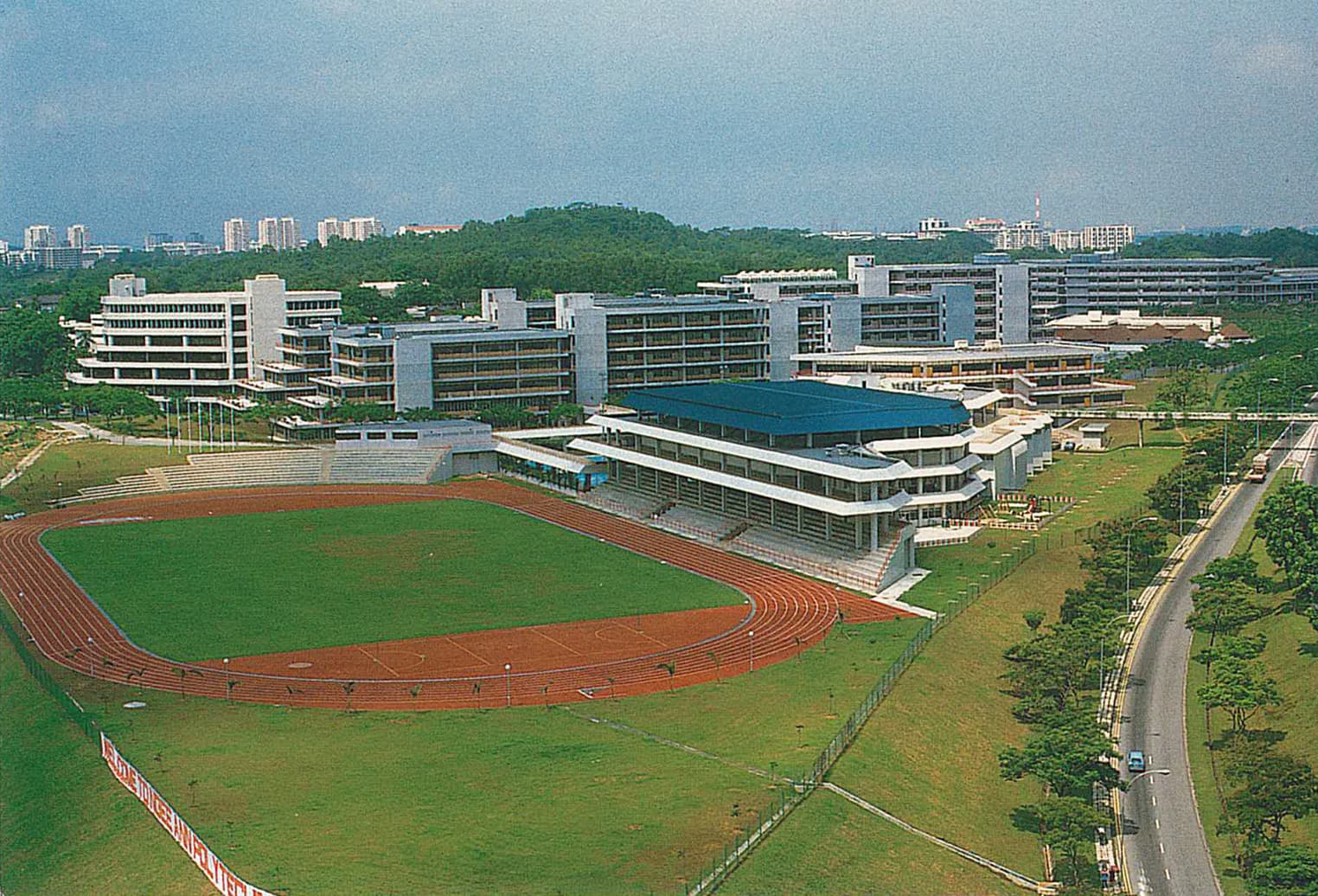
A five-year Phase I expansion (1981–1986) reshaped the campus dramatically. Laboratories, lecture theatres, four canteens, and a sports complex were built. The new Administration Building at Block 1 became a defining landmark. This era marked NP’s evolution from a technical college to a polytechnic, emphasizing hands-on, industry-relevant education.
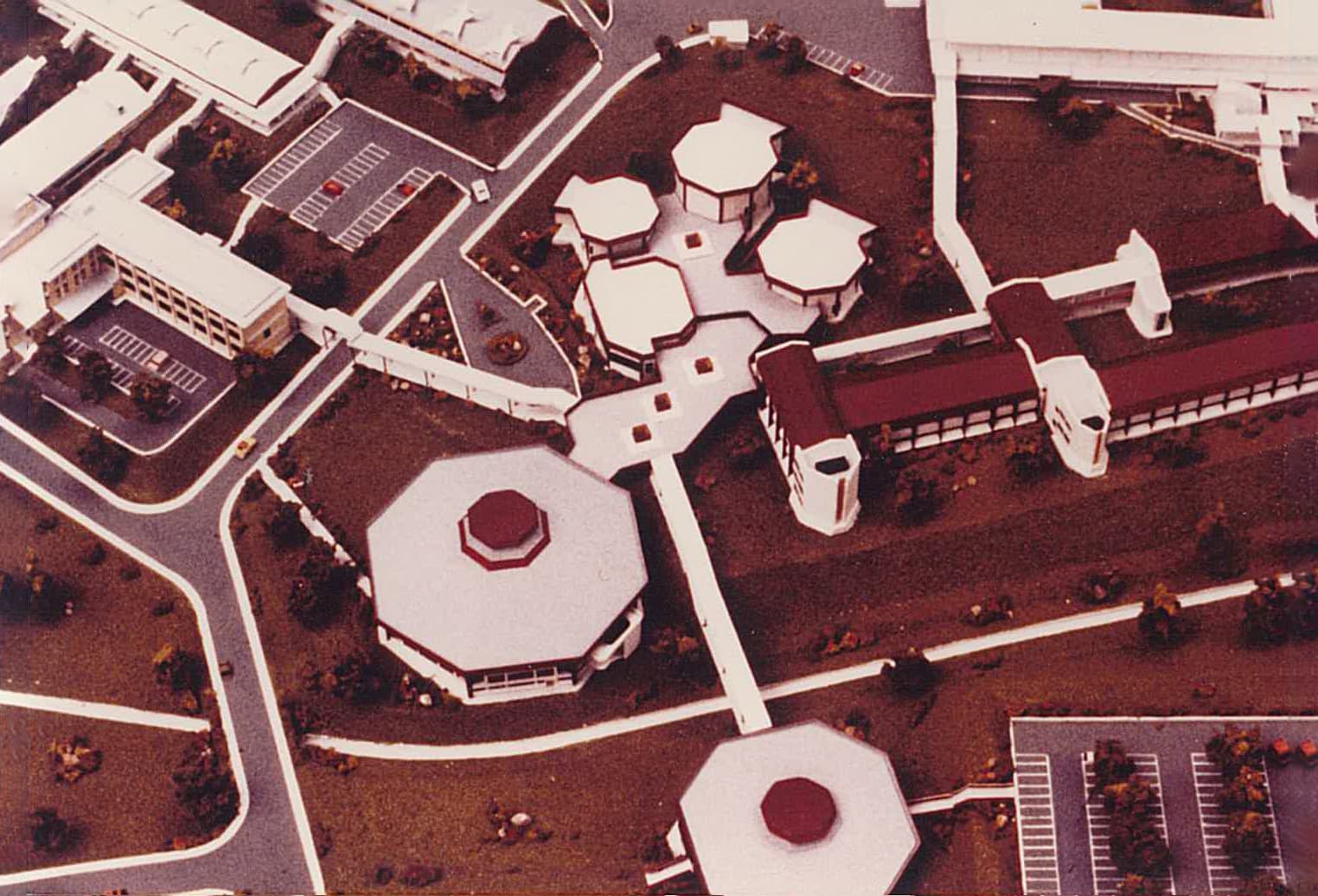
1990s: Digital Readiness & Flexible Spaces
Major redevelopment efforts modernized facilities to meet growing student numbers and academic needs. NP pioneered mobile e-learning, and classrooms were retrofitted to support digital learning. Architecture emphasized functionality and tech-readiness, with flexible learning spaces anticipating future pedagogical shifts.
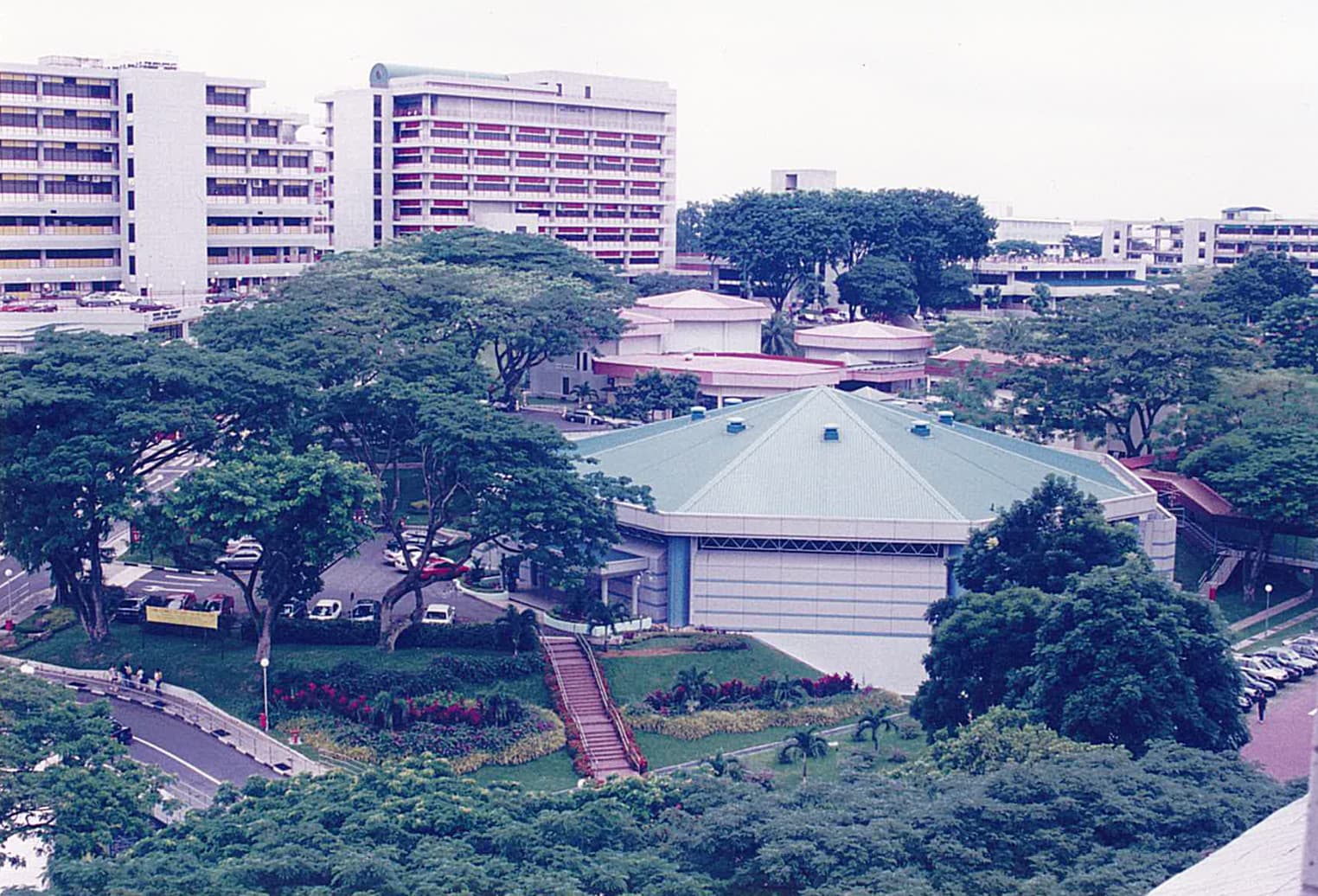
2000s: Design Innovation & Sustainability
This decade saw bold architectural ambition. The Octagon concourse was replaced by a Convention Centre, and Block 51 emerged as a symbol of NP’s design-forward ethos featuring slanting lines, aquamarine accents, and environmental sensitivity. It earned the BCA Green Mark Platinum Award in 2013. Block 34, the Green Building, showcased NP’s sustainability leadership with the largest vertical garden on campus, 114 rooftop solar panels, and a digital twin system for real-time energy analytics. Architecture embraced natural light, open courtyards, and collaborative zones, reflecting NP’s identity as a creative and innovative institution.
2020s: Human-Centered, Future-Focused Design
Today, NP’s architecture reflects a mature, sustainability-first institution. The School of Design & Environment (DE) building stands as a Creative Hub, home to architecture and product innovation students. Its design ethos centers on human-centered design, placemaking, and environmental stewardship honouring heritage while shaping the future.